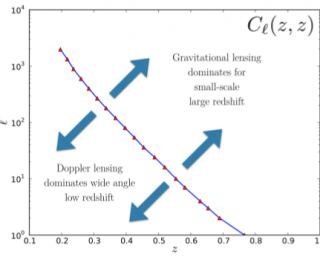
New probes of cosmology: Doppler Lensing
What do the sizes of galaxies have to tell us about cosmology? Today, we discuss how the velocity of a galaxy can change its observed size and tell us about the properties of the Universe.

What do the sizes of galaxies have to tell us about cosmology? Today, we discuss how the velocity of a galaxy can change its observed size and tell us about the properties of the Universe.
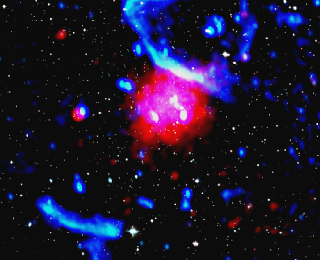
Galaxy clusters aren’t just a bunch of galaxies – they are a bunch of galaxies surrounded by even more gas. This gas is usually seen very well in X-ray emission, and can also have interesting radio emission features. Astronomers have yet to fully understand the origin of these radio features, though recent observations continue to offer insights into their formation.
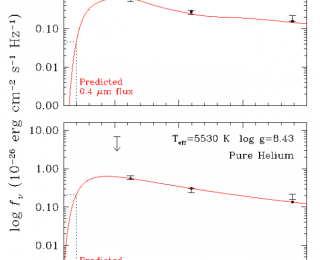
Most binary stars probably formed at the same time, meaning all stars in the same system should have the same age. The authors of this paper analyze a stellar binary system where one star appears to be lying about its age, as one star appears 3 billion years older than its companion.
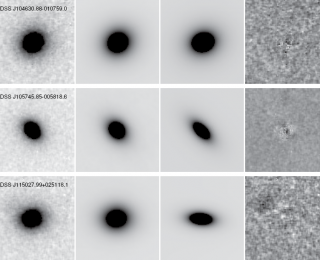
Small and massive compact galaxies are some of the hardest galaxies to find, but they could potentially reveal how galaxies evolved in the early universe.
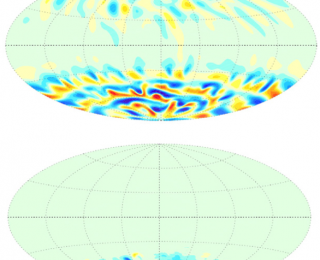
Strongly magnetized rocks on Mars are primarily concentrated in the southern hemisphere. This paper raises a serious objection to the hypothesis that localized dynamo action in the ancient martian core explains this puzzling observation.
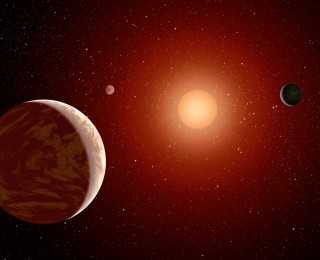
For planets too old for plate tectonics, a companion planet could drive tidal heating to keep conditions primed for life.