by Paddy Alton | May 27, 2016 | Daily Paper Summaries
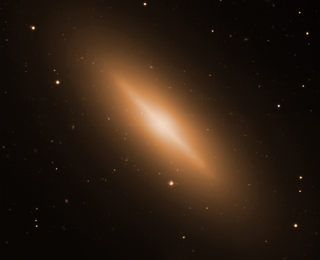
NGC 3115, also known as the Spindle galaxy, is the nearest example to us of a lenticular galaxy – a strange hybrid of the more common spiral and elliptical galaxy types. But how can we find out how such galaxies are made? The European Southern Observatory’s MUSE instrument sheds some light.
by Guest | May 23, 2016 | Daily Paper Summaries
Today’s guest post from Nimisha Kumari looks at how different properties of galaxies can affect the Schmidt-Kennicutt Law.

by Zephyr Penoyre | May 9, 2016 | Daily Paper Summaries
Our galaxy is not just made up of stars and dark matter, but a huge weight of dust, extending out much further than we can see. Now we’re starting to pin down the properties of our surrounding mysterious gas cloud, and new evidence shows that it’s busy doing it’s own thing.
by Paddy Alton | Apr 18, 2016 | Daily Paper Summaries
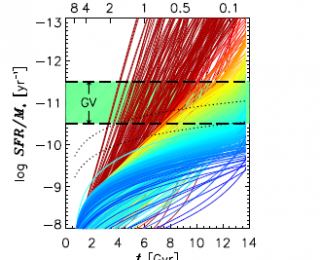
Just when you think you’ve understood star formation and how galaxies form, someone pulls the rug out from under you…
by Benny Tsang | Mar 23, 2016 | Daily Paper Summaries
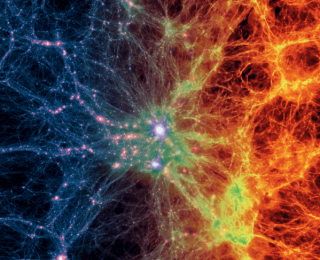
After learning about galaxy formation, computers can imitate millions of hours of calculations in just a few minutes.
by Paddy Alton | Mar 7, 2016 | Daily Paper Summaries
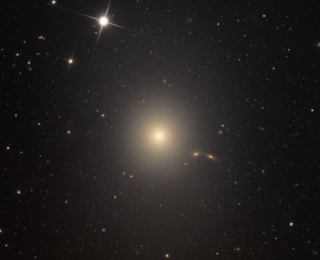
M87 is a monstrous galaxy on our doorstep in astronomical terms. But do we understand how such a massive galaxy is put together?
