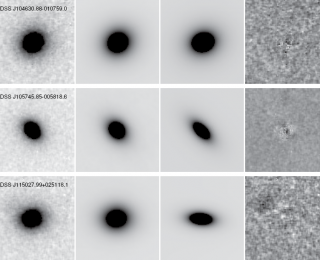
Compact Galaxies in the Nearby Universe
Small and massive compact galaxies are some of the hardest galaxies to find, but they could potentially reveal how galaxies evolved in the early universe.

Small and massive compact galaxies are some of the hardest galaxies to find, but they could potentially reveal how galaxies evolved in the early universe.
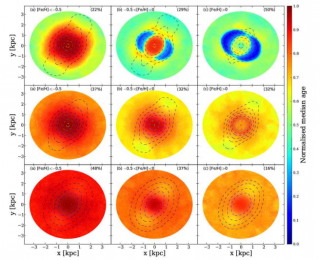
The recent discovery of young stars in the Milky Way’s galactic bulge have raised new questions about galaxy formation. In this paper, a new simulation shows that such stars could be an outcome of natural evolution in the disc over time.
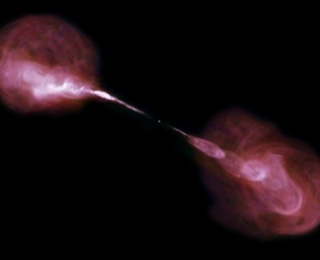
Has a multi-wavelength study of AGN across a large redshift range revealed that these energetic giants do not impact upon their host galaxy as significantly as previously thought?
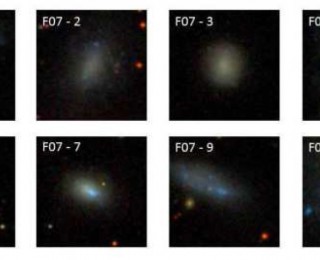
Could the strange-looking irregular galaxies actually be remnants of the birth of galaxies? This paper demonstrates a method to find such galaxies.
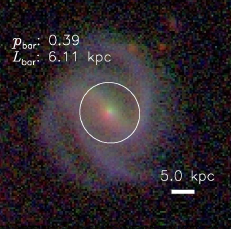
Galactic bars have long been associated with many processes affecting galactic evolution. This paper studies how bars affect the star formation rate, mass and structure of a large sample of morphologically classified galaxies.
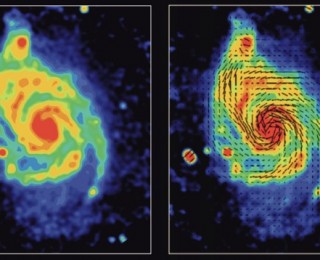
Magnetic fields are ubiquitous in the Universe. Everything including stars, solar systems, galaxies, galaxy clusters, and even large scale voids have magnetic fields. We know magnetic fields exist in the Universe, but have had a challenging time uncovering both their origin and evolution. Today’s astrobite discusses a recent paper exploring how magnetic fields evolved in young galaxies through computational simulations. It is one step further in unlocking the history of magnetic fields in our Universe.