by Aaron Bray | Jun 18, 2011 | Daily Paper Summaries
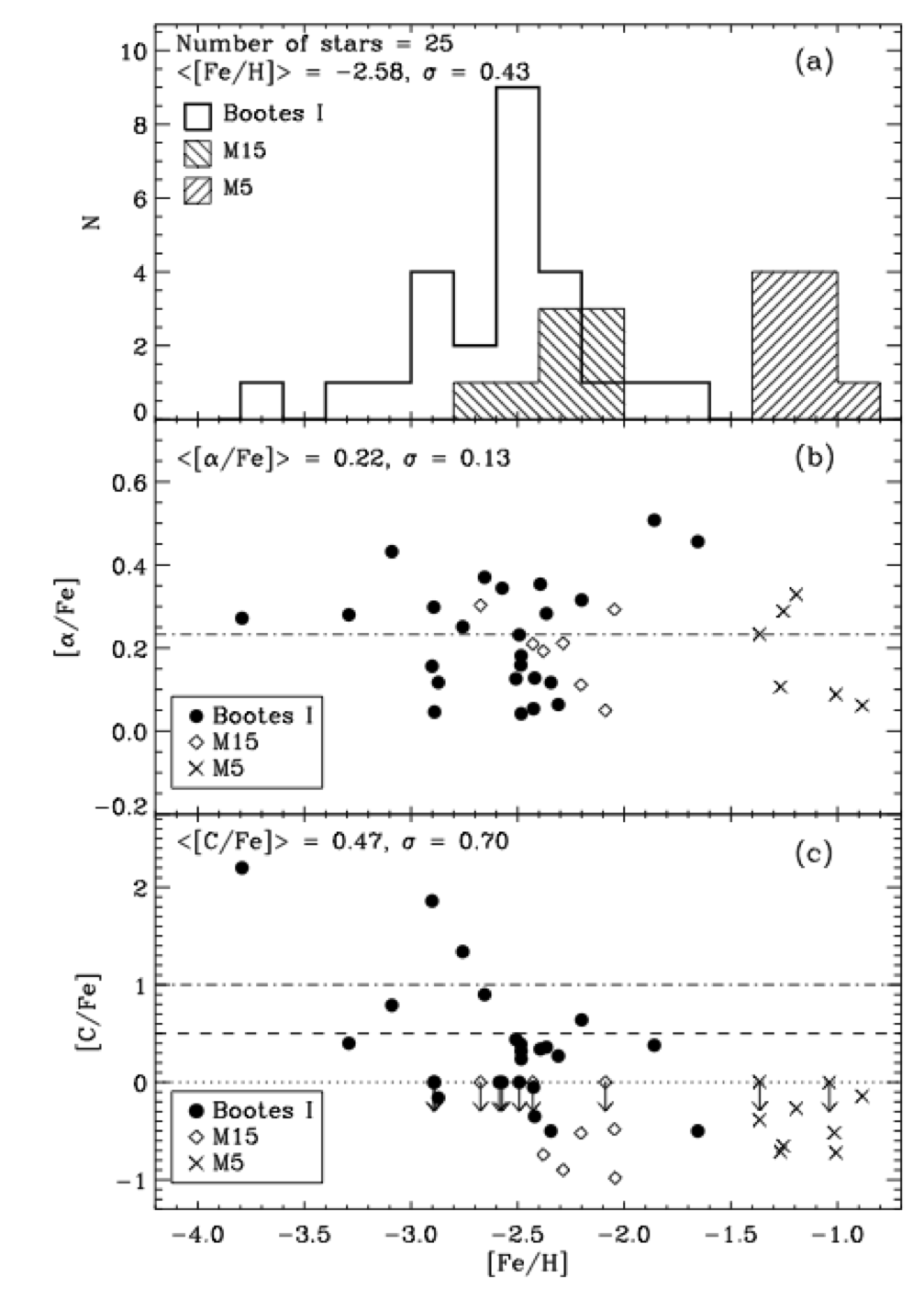
Lai et al. use spectroscopic observations to determine the metallicity abundances of stars from the Bootes I dwarf galaxy, in order to better understand the formation history of the Milky Way.
by Dan Gifford | May 31, 2011 | Daily Paper Summaries
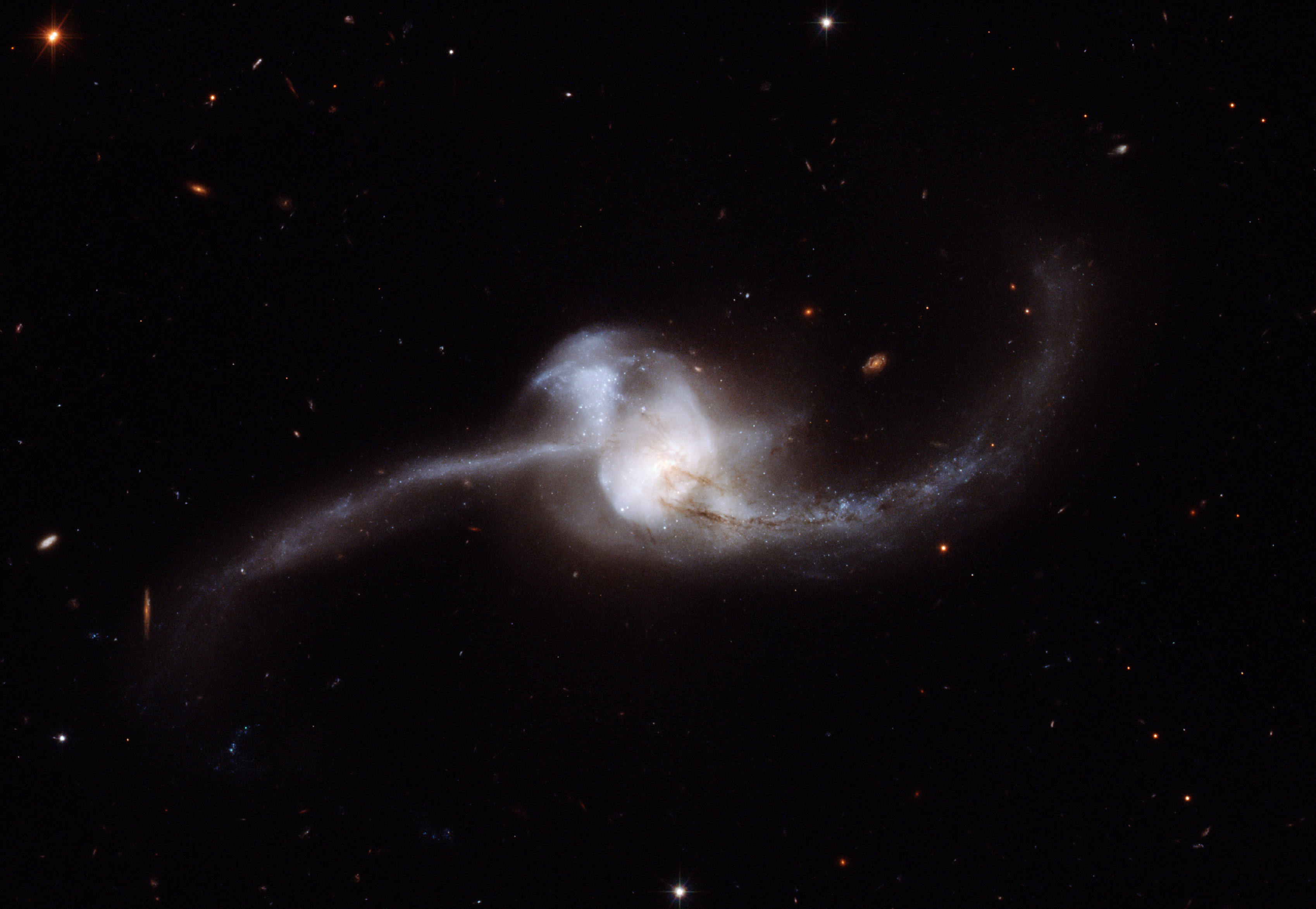
Wouldn’t it be cool is the super-massive black hole at the center of a huge galaxy was somehow related to the entire dark matter halo surrounding the system? Turns out it just might be.

by Dan Gifford | May 17, 2011 | Daily Paper Summaries
Our Milky Way seems to be passively evolving towards the red sequence… very efficiently!
by Aaron Bray | May 12, 2011 | Daily Paper Summaries
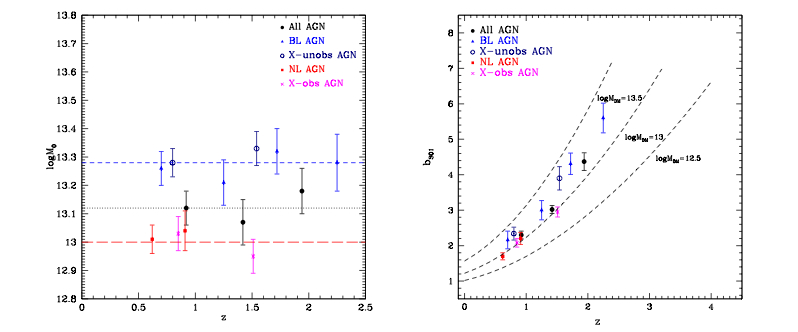
Using measurements of the projected correlation function, Allevato et al. study the evolution of X-ray selected, active galactic nuclei (AGN) in order to help understand how these massive, central black holes are triggered and where they fit in a larger cosmological framework.
by Nathan Sanders | Apr 4, 2011 | Daily Paper Summaries
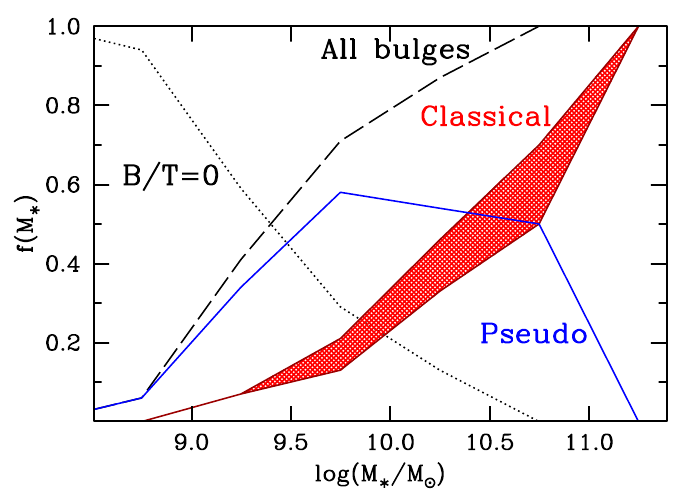
Bulges are a familar feature of spiral galaxies, but bulges seem to come in many shapes and sizes. Studying bulges can provide clues for the role of galaxy mergers in the history of the universe.
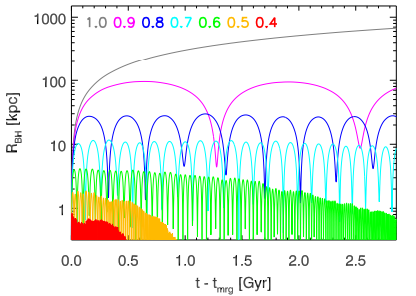
by jsureshcfa | Mar 28, 2011 | Daily Paper Summaries
When galaxies merge, the super-massive black holes at their center can merge as well. General relativity predicts that the newly merged black hole can, in forming, be kicked with a large velocity out of the galactic center!
