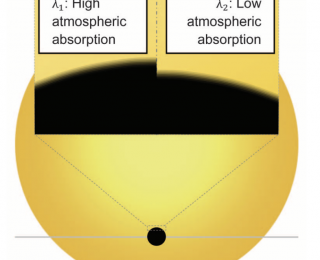
Blurred Lines: degeneracies in modeling exoplanet atmospheres
Scrutinizing a popular method of characterizing exoplanet atmospheres reveals an inherent degeneracy that may only be overcome in special cases.

Scrutinizing a popular method of characterizing exoplanet atmospheres reveals an inherent degeneracy that may only be overcome in special cases.
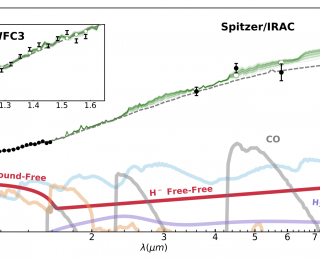
Cues from stellar atmospheric chemistry can help in explaining the observations of very-hot gas giant atmospheres.
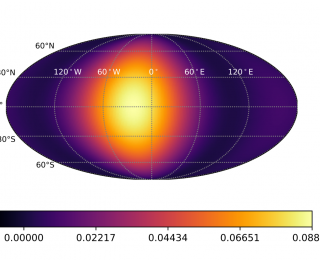
The hottest point in hot Jupiter atmospheres should be directly below their star or blown slightly eastward by winds. What is happening on CoRoT-2b?
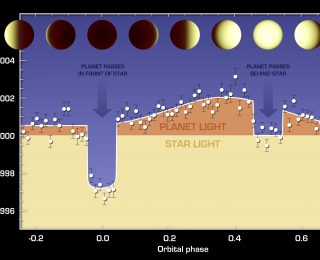
Planets that do not transit are very difficult for Kepler to find. The authors of today’s paper are not intimidated by that and find 60 non-transiting Hot Jupiters unknowingly detected by Kepler anyway.
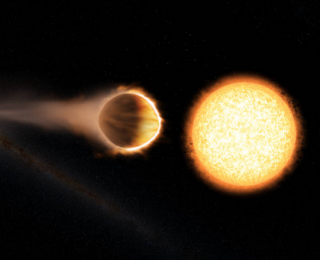
If you thought the weather on Earth was wild, think again: today we’re discussing the climate of WASP-121b.
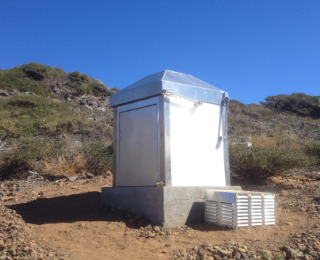
An instrument designed to look for exoplanets around the brightest stars in the sky; what have they found so far?