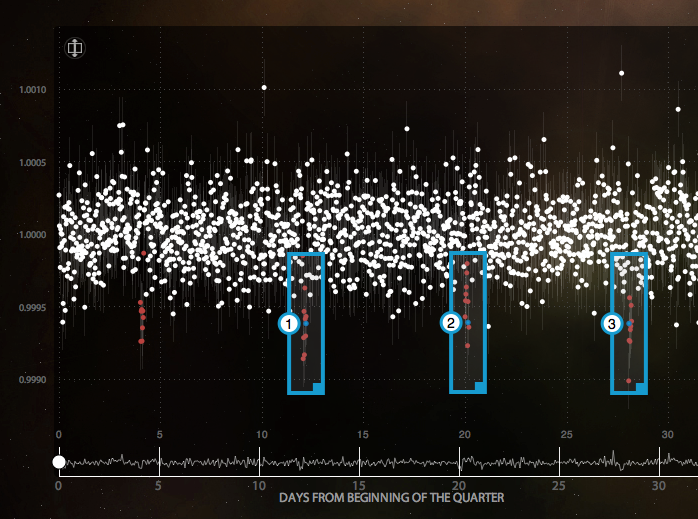
by Caroline Morley | Sep 27, 2011 | Daily Paper Summaries
Planet Hunters is a Citizen Science project, aiming to analyze the slew of data from the Kepler Space Telescope. Planet Hunters look for transit signals in the data, which cause the light from the star to dim periodically.This project is designed to complement the efforts of other scientists to analyze the data using computer algorithms. This paper presents results of the first two planet candidates to be identified using this method, demonstrating that this type of citizen science project is a valuable tool for exoplanet detection.
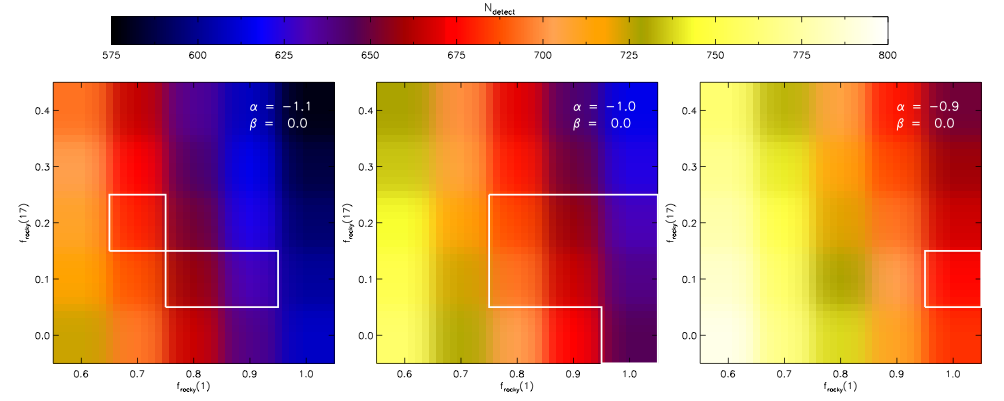
by Courtney Dressing | Sep 15, 2011 | Daily Paper Summaries
Wolfgang & Laughlin combine observations from the HARPS radial velocity survey and the Kepler transit survey to investigate the mass-radius-period distribution of exoplanets. They find that most small planets are rocky.
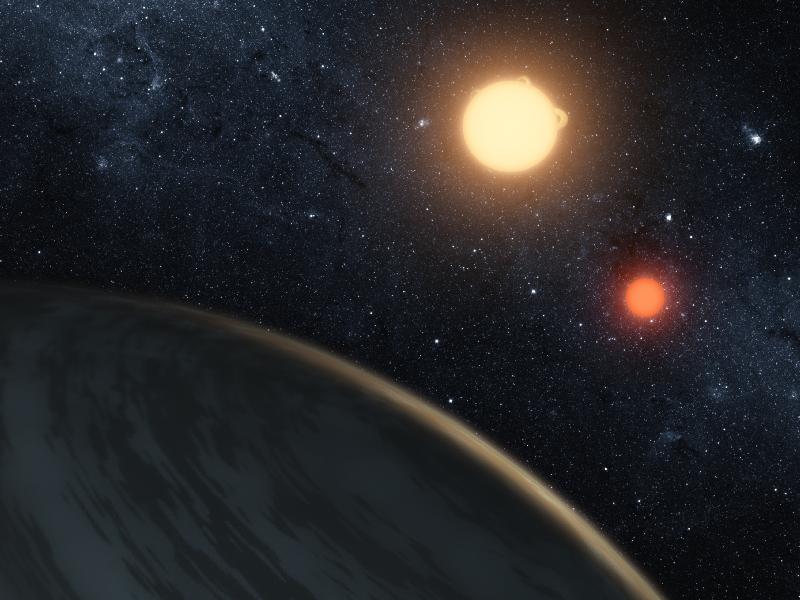
by Courtney Dressing | Sep 15, 2011 | Quick Notes
Kepler has discovered a real-life version of Tatooine! The newly minted planet, dubbed Kepler-16b, orbits both stars on a 229 day orbit and is roughly the same size as Saturn.
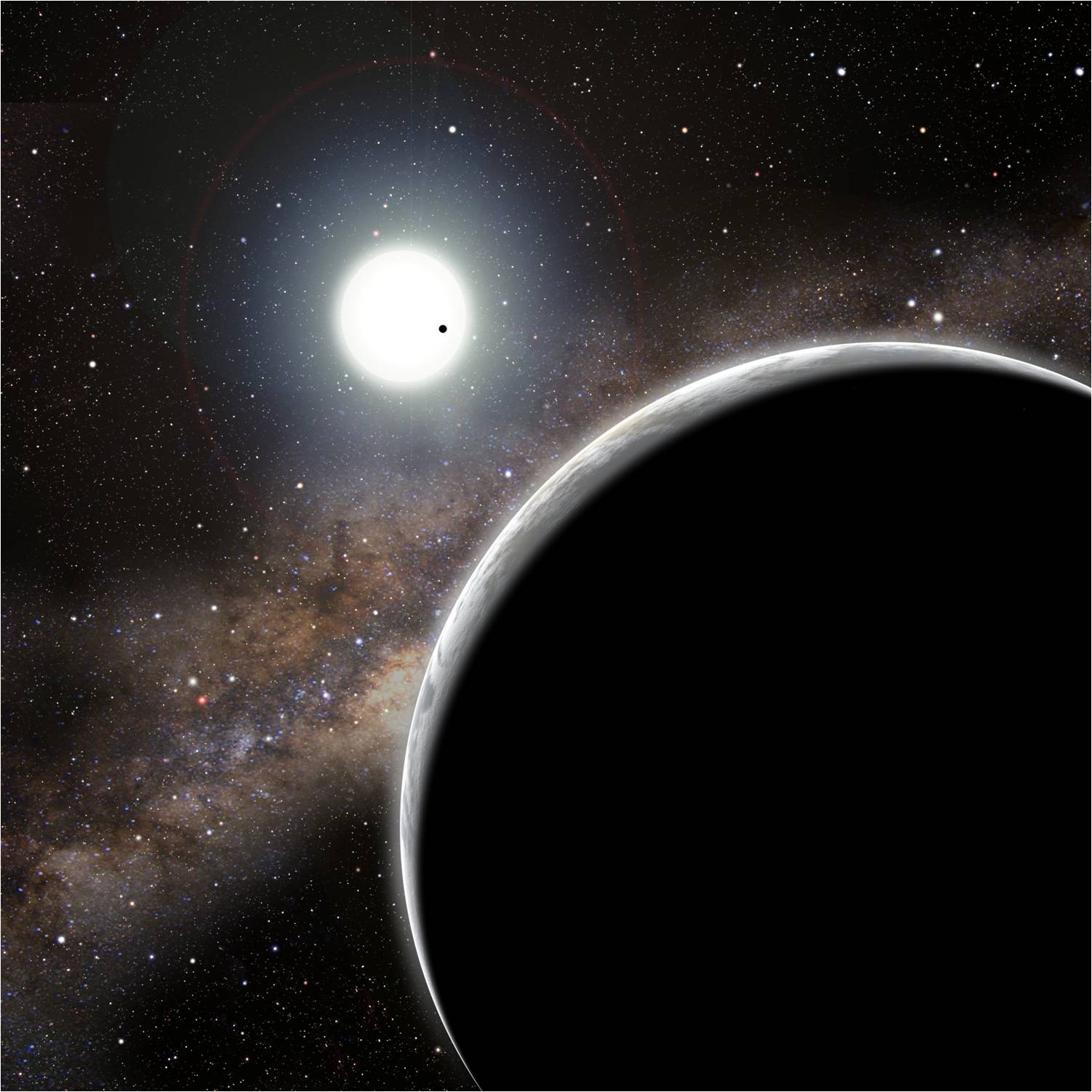
by Elisabeth Newton | Sep 15, 2011 | Daily Paper Summaries
I’m here at the Extreme Solar Systems 2 conference in Jackson Hole, Wyoming. On Monday, Sarah Ballard spoke about recent results on the Kepler-19 system; she led a paper on this object that was posted to the arxiv last week. This is the story of the newly-discovered transiting planet Kepler-19b and its mysterious companion.
by Courtney Dressing | Sep 1, 2011 | Daily Paper Summaries
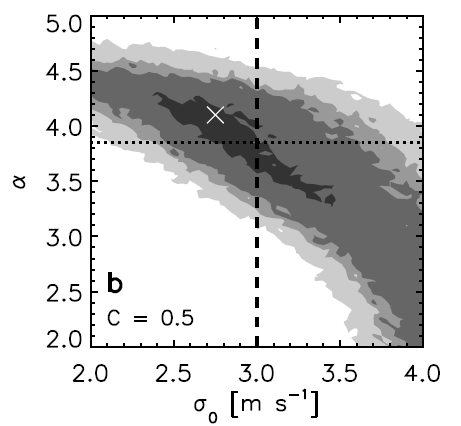
How do the planet candidates discovered by Kepler compare to the planets detected by radial velocity surveys? Can we combine the Kepler radii with the RV masses to determine whether small planets are rocky Super-Earths or gaseous mini-Neptunes?
by Elisabeth Newton | Aug 17, 2011 | Daily Paper Summaries
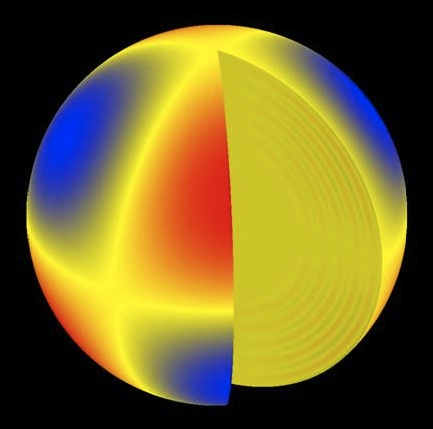
If there’s one type of star you’d think astronomers would know a lot about, it’s probably solar-type stars. After all, humans have been staring at our very near neighbor for millennia and in the recent century have dedicated entire space missions to studying this archetype. But there is always more to be learned and new tools like asteroseismology continue to open up avenues of study previously closed.
