
Spitzer works in ‘warm’ mode to observe a hot planet
Spitzer chugs away in ‘warm’ mode to lend new results to a very mysterious “super earth” orbiting close to its host star.

Spitzer chugs away in ‘warm’ mode to lend new results to a very mysterious “super earth” orbiting close to its host star.
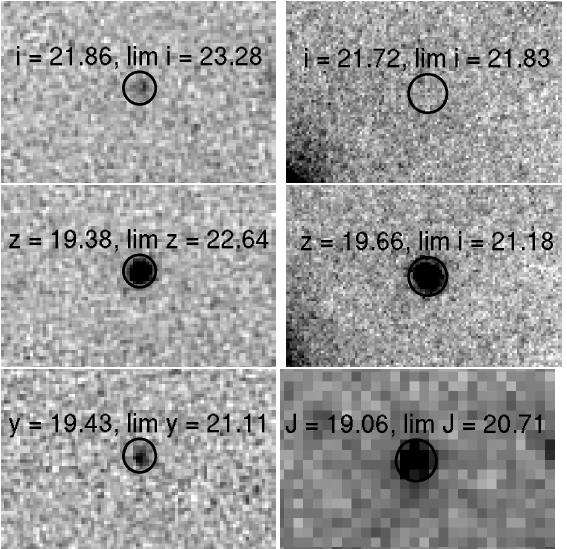
Morganson et al. announce the discovery of the first quasar discovered by Pan-STARRS. The newly detected quasar is a Broad Absorption Line quasar at a redshift of 5.73 +/- 0.02 with a z band magnitude of 19.4, a luminosity of 3.8×1047 erg/s, and an estimated black hole mass of 6.9×10⁹ solar masses.
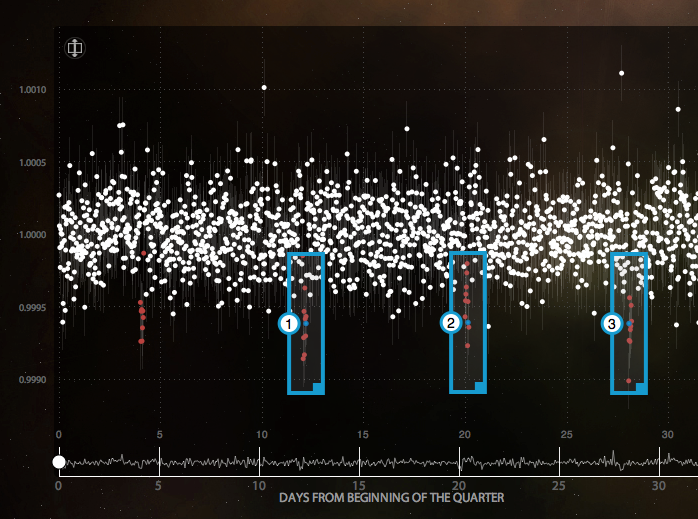
Planet Hunters is a Citizen Science project, aiming to analyze the slew of data from the Kepler Space Telescope. Planet Hunters look for transit signals in the data, which cause the light from the star to dim periodically.This project is designed to complement the efforts of other scientists to analyze the data using computer algorithms. This paper presents results of the first two planet candidates to be identified using this method, demonstrating that this type of citizen science project is a valuable tool for exoplanet detection.
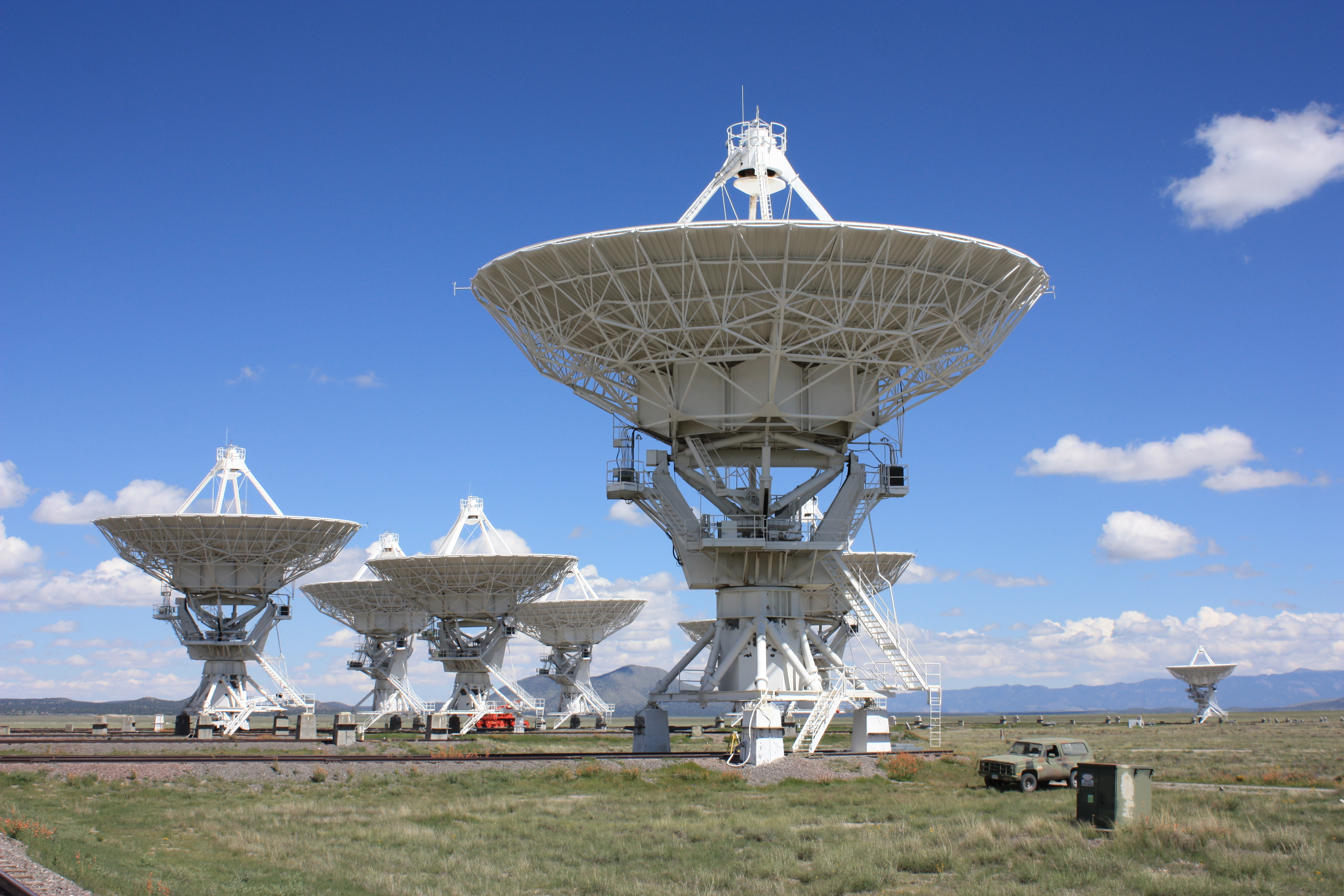
Along with several other graduate students from Harvard University, I attended the first EVLA data reduction workshop in Socorro, New Mexico. Around 25 graduate students and researchers were present, along with many post-doctoral fellows and NRAO staff that devoted their time to help us learn how to use CASA, or Common Astronomy Software Applications.
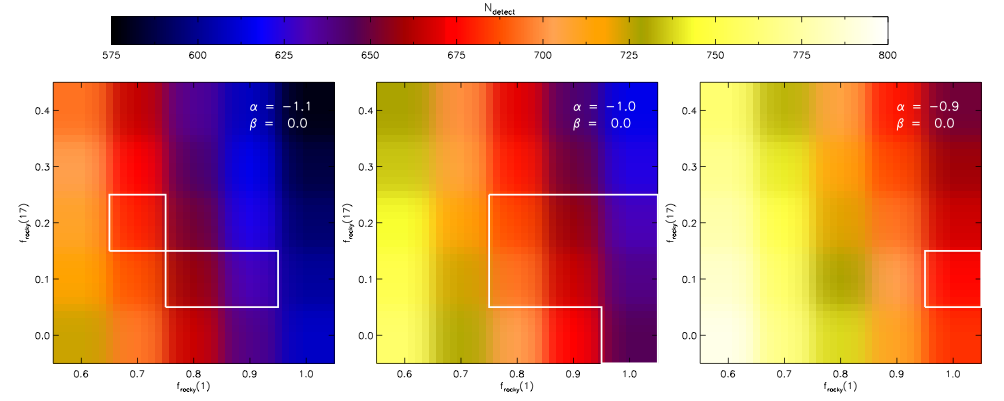
Wolfgang & Laughlin combine observations from the HARPS radial velocity survey and the Kepler transit survey to investigate the mass-radius-period distribution of exoplanets. They find that most small planets are rocky.

Kepler has discovered a real-life version of Tatooine! The newly minted planet, dubbed Kepler-16b, orbits both stars on a 229 day orbit and is roughly the same size as Saturn.