by Anna Rosen | Sep 12, 2011 | Daily Paper Summaries
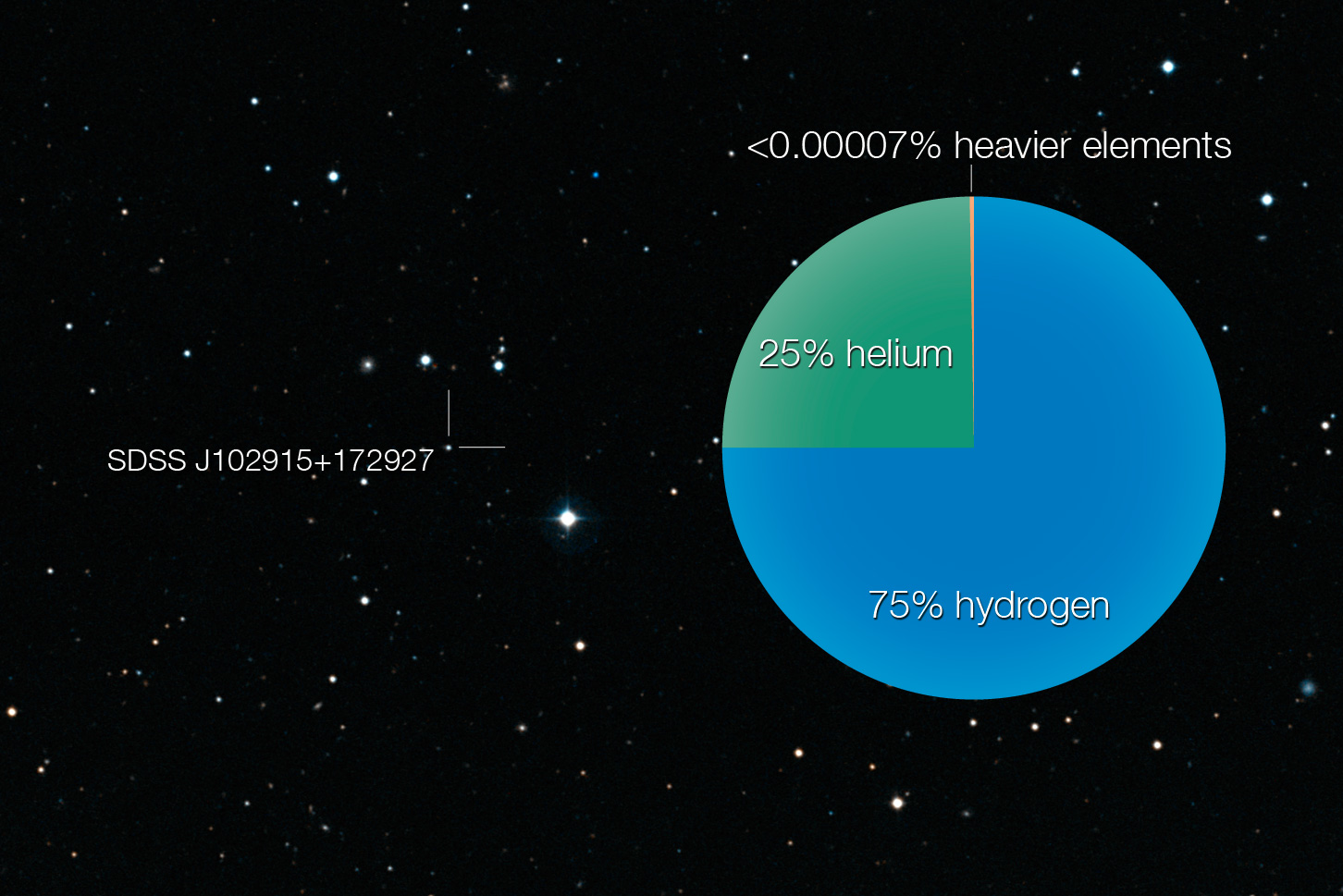
Astronomers have discovered an extremely metal-poor, low mass star located in the Galactic Halo. SDSS J102915+172927 appears to have fewer metals than ever predicted for stars of this mass since many models of star formation suggest that a star with these properties should not have even formed in the early universe.

by Dan Gifford | Sep 4, 2011 | Career Navigation
It’s that time of year! For those of you thinking about grad school, check out how you might prepare yourself for the application process and narrow down your list of schools.
by Courtney Dressing | Sep 1, 2011 | Daily Paper Summaries
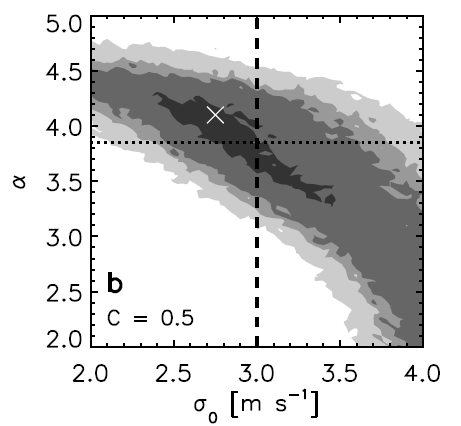
How do the planet candidates discovered by Kepler compare to the planets detected by radial velocity surveys? Can we combine the Kepler radii with the RV masses to determine whether small planets are rocky Super-Earths or gaseous mini-Neptunes?

by Kim Phifer | Aug 28, 2011 | Daily Paper Summaries
How homogenous is the population of Type Ia supernovae?
by Ian Czekala | Aug 26, 2011 | Daily Paper Summaries
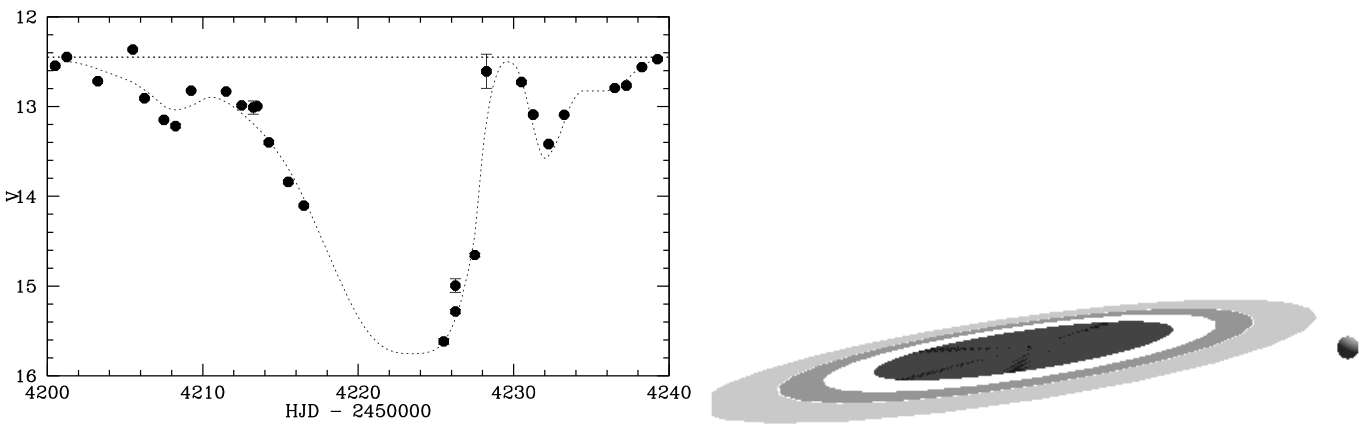
We know other stars have planets. We know that certain stars have circumstellar disks. We know that before there are planets, there must be a protoplanetary disk; we also know that these two states must be connected through a evolutionary path which includes planet formation.
What if–if we were just so lucky–we found a protoplanetary system that had a disk, that was aligned so perfectly, and that was bright enough, and ….
by Dan Gifford | Aug 9, 2011 | Daily Paper Summaries
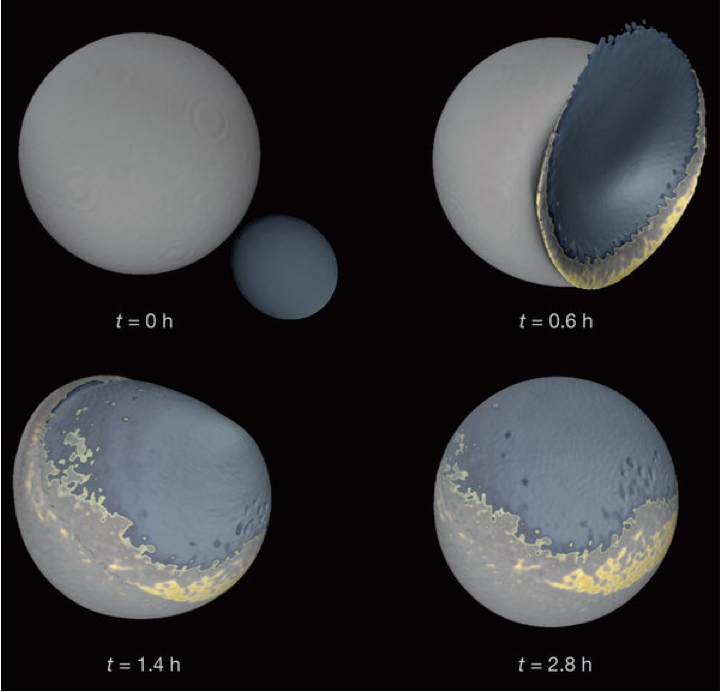
Astronomers think one impact may not have been enough to see the Moon as we do today. If two moons formed out of the massive collision first hypothesized, they could have merged which would explain the terrain dichotomy we see on the near and far sides of our Moon.
