by Ian Czekala | Aug 4, 2011 | Daily Paper Summaries
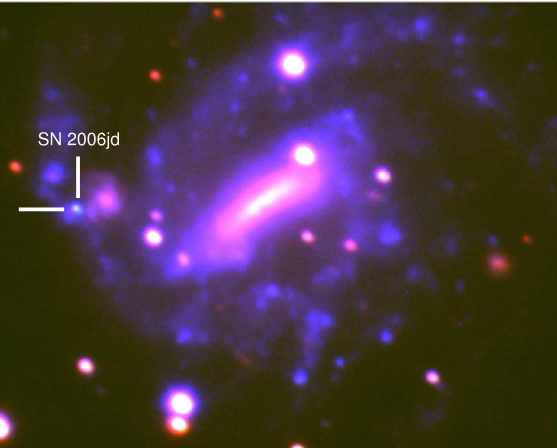
Many astronomers have an ambivalent relationship towards “dust” in our cosmos. Not quite like what you may find at the back of your cupboard, astrophysical dust is really more like smoke, with particulates roughly micron-sized and composed of carbon, nitrogen, oxygen, silicon, and other things that astronomers broadly term “metals.” Some of the best candidate sites for dust formation include cool stellar winds from evolved stars, and in the aftermath of supernovae and novae.
by Courtney Dressing | Aug 3, 2011 | Daily Paper Summaries
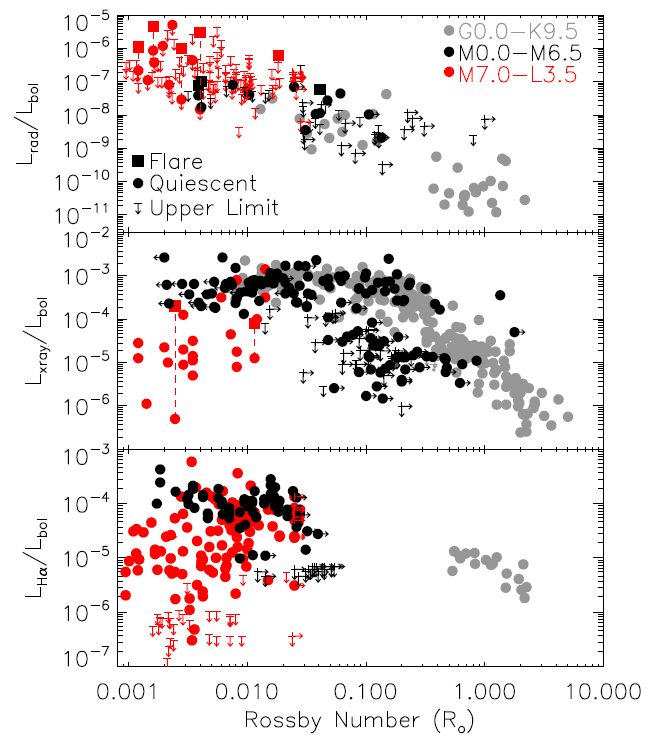
McLean et al. observe a new sample of late-M and L dwarfs with the Very large Array to search for a relation between rotation rate and radio activity for ultracool dwarfs.
by Caroline Morley | Aug 2, 2011 | Daily Paper Summaries
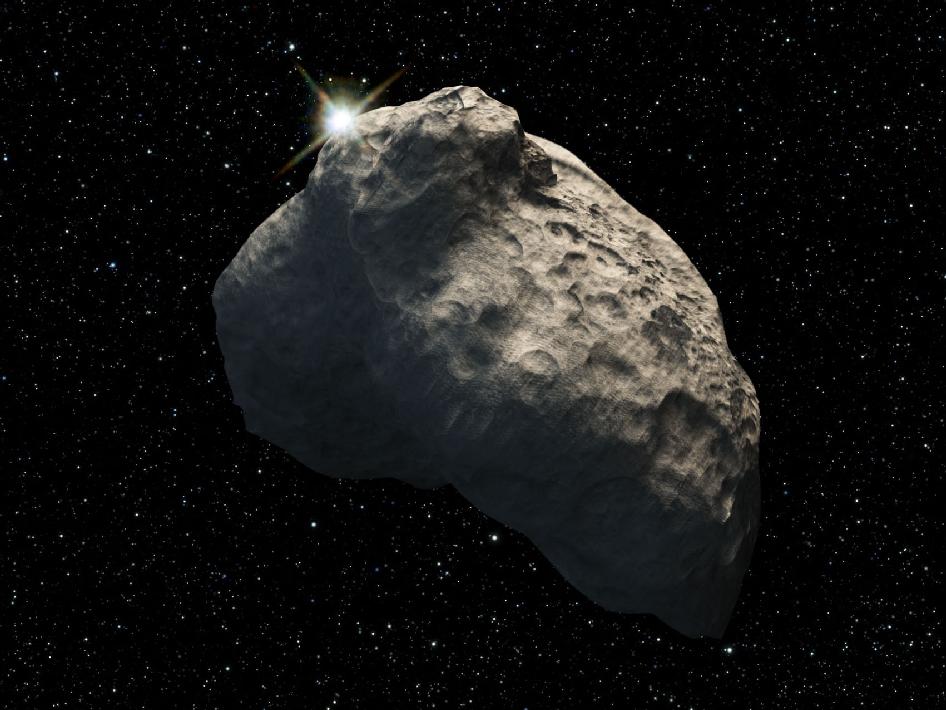
A paper published on the archive this week reveals fourteen newly discovered Kuiper Belt Objects (KBOs) found using ground-based imaging in the Southern part of the sky. Three of these could be big enough to be dwarf planets! By learning about the population, orbital structures, and compositions of the largest objects in the Kuiper Belt, we can learn about the solar system formation and evolution.
by Dan Gifford | Jul 30, 2011 | Daily Paper Summaries
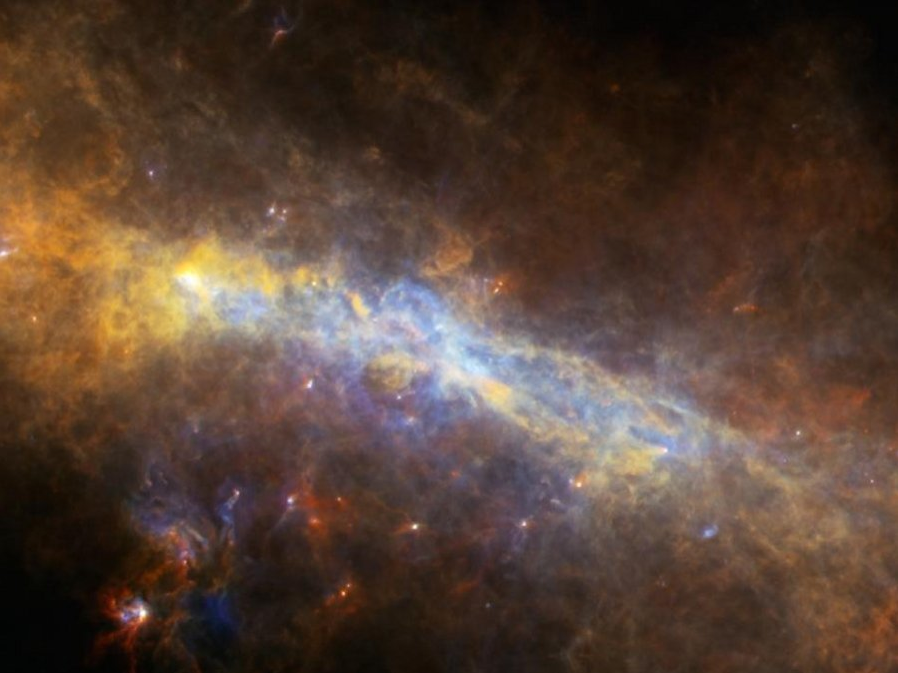
A beautiful structure at the center of our galaxy shows off Hershel’s abilities.

by Caroline Morley | Jul 19, 2011 | Daily Paper Summaries
Vesta is a particularly interesting object for learning about the early solar system. It is the second biggest asteroid in the asteroid belt (after Ceres) and is believed to be the sole surviving intact member of a class of objects called planetary embryos. The rest of these embryos either assembled into the planets in the solar system today or were broken apart into smaller asteroids and dust by collisions. By studying Vesta, we can learn about how protoplanets formed and evolved.
by Ian Czekala | Jul 18, 2011 | Daily Paper Summaries
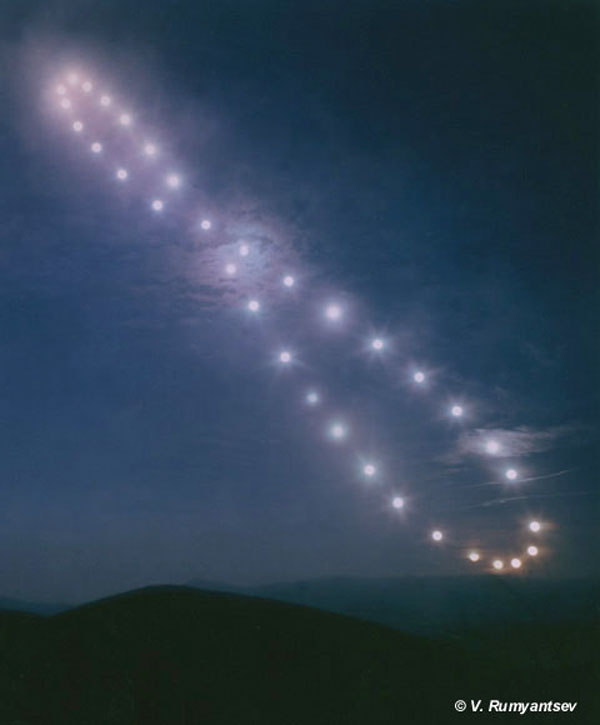
The units we use to measure time have until recently been always derived from the movements of the heavens, which we have considered immutable because we have never had the accuracy of measurement to notice otherwise. Starting with the Babylonians, we divided our days into neatly divisible blocks of hours, minutes, and then seconds. The advent of extremely accurate atomic clocks that rely upon the hyperfine quantum transitions of Cesium-133 atoms have challenged our traditional notions of time.
