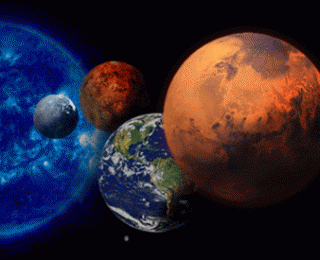
Creating a Cosmic Inventory of Rocky Planets
Combining cosmology, galaxy formation, and exoplanet science together, can we calculate the number of rocky planets in the entire universe?

Combining cosmology, galaxy formation, and exoplanet science together, can we calculate the number of rocky planets in the entire universe?
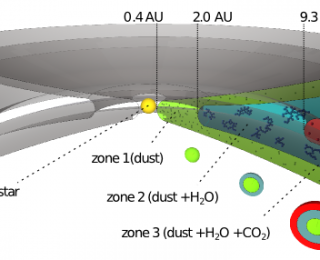
Planets are km-size bodies, but it is particularly puzzling how solid grains have grown to sizes beyond cm to m. Water ices can improve the sticking of such grains, but does this imply that ices from other molecules improve the sticking as well?
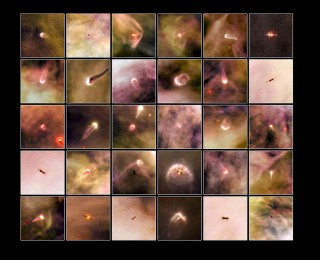
Sherlocks Holmes investigates the scene of a crime for clues about whodunit. Today’s paper investigates the massacre of circumstellar disks in a star cluster for clues about the cluster itself.
The third Extreme Solar System conference was held between Nov 29 to Dec 4th, in Kona, Hawaii, on the 20th anniversary of the first exoplanet detection around a main sequence star. This astrobite gives a brief overview of the conference.
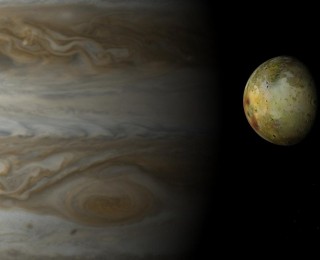
Moons: all the giant planets in our solar system have them. Are giant exoplanets similarly ringed with moons? Here’s one reason why they might be missing some.
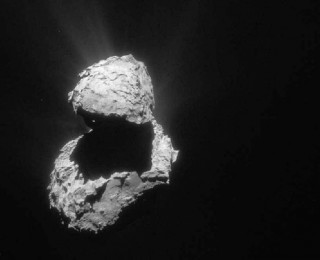
More than a year ago, scientists managed to land on a comet for the very first time in human history. Read on to get a compact overview of some of the most important results of the mission obtained so far.