
Searching for Additional Planets in the EPOXI Data
Ballard et al. analyze data acquired with EPOXI to search for additional planets in five systems with known planets.

Ballard et al. analyze data acquired with EPOXI to search for additional planets in five systems with known planets.
Planetary modelers have been particularly puzzled by some of the latest observations of the only multi-planet system that has been directly imaged so far, HR 8799. The photometry of the HR 8799 planets showed that these planets look much redder in color than can be explained by the classic brown dwarf models, suggesting a need for thick iron or silicate cloud layers in exoplanetary atmospheres.

Assuming that we have acquired the spectrum of a distant terrestrial planet, what would it look like? Would we able to resolve surface features? More excitingly, would we be able to detect biomarkers in the atmospheres of alien Earths?
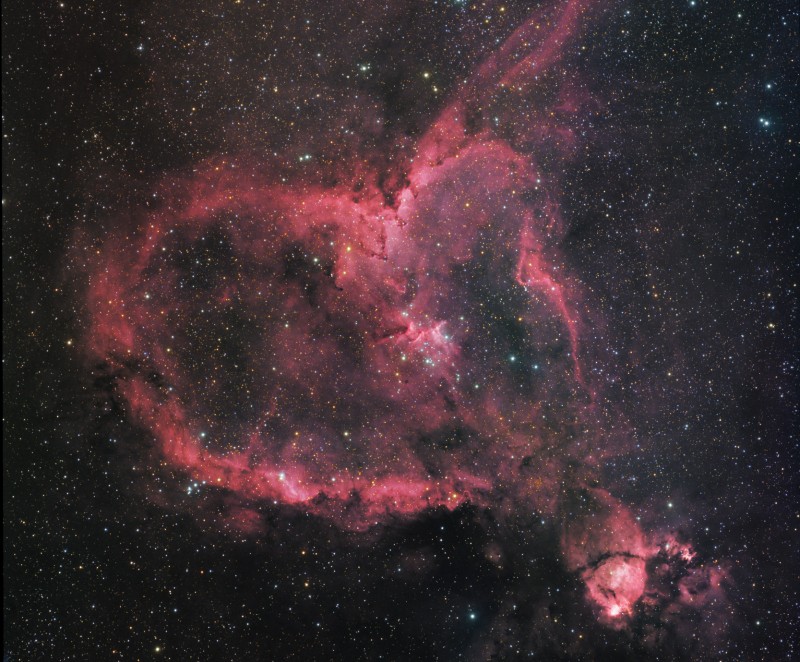
In honor of Valentine’s Day, here are a few of our favorite astronomy websites. Enjoy!
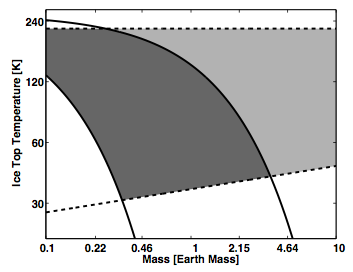
Could some of the planets ejected from planetary systems during formation harbor potentially habitable subglacial oceans? Abbot & Switzer suggest that they could.
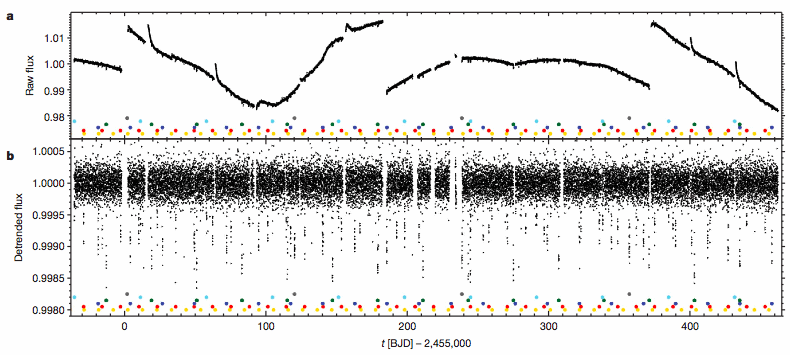
Following the data release, a slew of Kepler papers went up on astro-ph this evening. In my previous post, I went straight to the numbers, but here I’ll discuss the Kepler mission and data in some depth, which I think will generally be useful for understanding current and future Kepler results.