Measuring Galaxy Star Formation
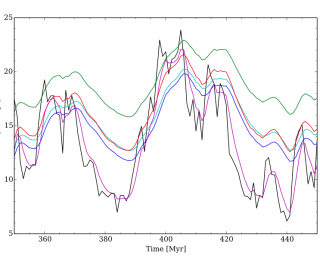
How well do the current methods of measuring the star formation rate of galaxies match then known star formation rate in simulations?

How well do the current methods of measuring the star formation rate of galaxies match then known star formation rate in simulations?
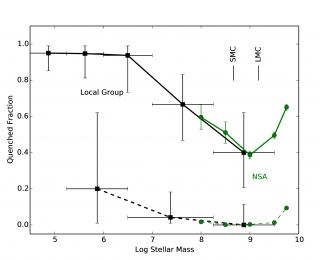
As galaxies evolve they eventually stop forming stars. There are a host of (sometimes violent) processes that can end star formation in galaxies. The authors examine how galaxy mass plays a role in stopping star formation for nearby galaxies.
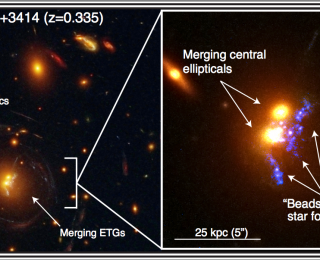
What’s causing the “beads on a string” pattern of star formation around this interacting galaxy pair?
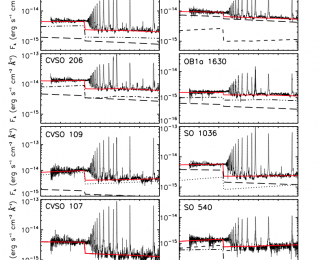
What might be causing the accretion rates in newly formed stars to remain so high?
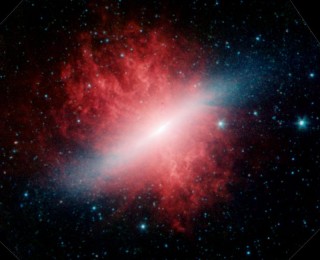
Can we find galaxies using the light emitted by their star forming regions? The authors of this paper explore a technique that would allow us to reach relatively unexplored epochs of the Universe.
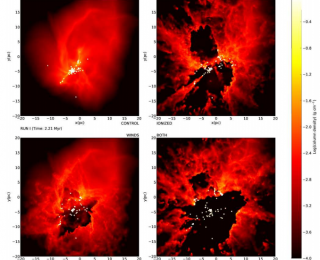
Massive stars emit energetic radiation and expel strong winds that can disrupt their natal environments. New simulations show that these effects are important in the evolution of stellar nurseries and can account for some of the observed low efficiency of star formation.