The WTF Star Strikes Again
Bizarre transits, century-long dimming, and now…brightening spells?

Bizarre transits, century-long dimming, and now…brightening spells?
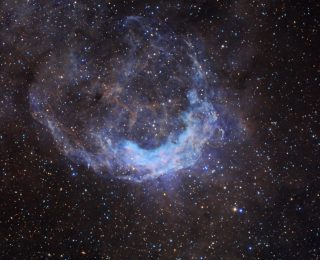
NGC 3199 is only the fourth Wolf-Rayet nebula to be observed in X-rays. Toala et al. present chemical abundances for this nebula and find that the star that produces it, once considered a runaway star, might not be so far from home after all.
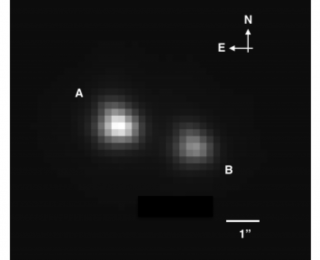
Read on to learn more about the discovery of the smallest star ever seen.
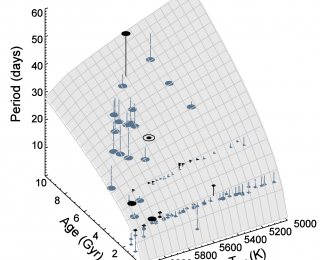
Measuring stellar ages is difficult, so sometimes we need to resort to using indirect estimates. In today’s paper, we will see how to calibrate a cosmic clock for cool stars and, as a bonus, discover that the activity of these stars may decline faster than we previously thought.
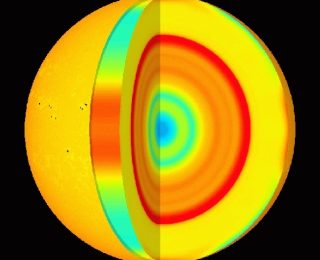
Stellar evolution remains one of the most complicated and yet fundamental subjects in astrophysics. In today’s paper, we take a look at the role of atomic diffusion in the evolution of Sun-like stars, and how they affect estimates of stellar ages and chemical tagging.
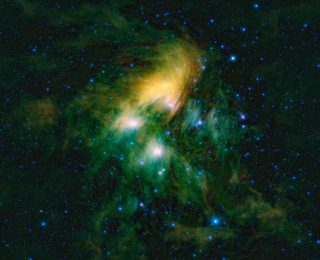
Have you checked the assumptions and approximations of your favorite stellar evolution code? In today’s paper we confront these uncertainties and face the fact that, well, stellar evolution is extremely complicated and we need to keep tabs of the limitations of our models.