by Nathan Sanders | Aug 8, 2011 | Daily Paper Summaries
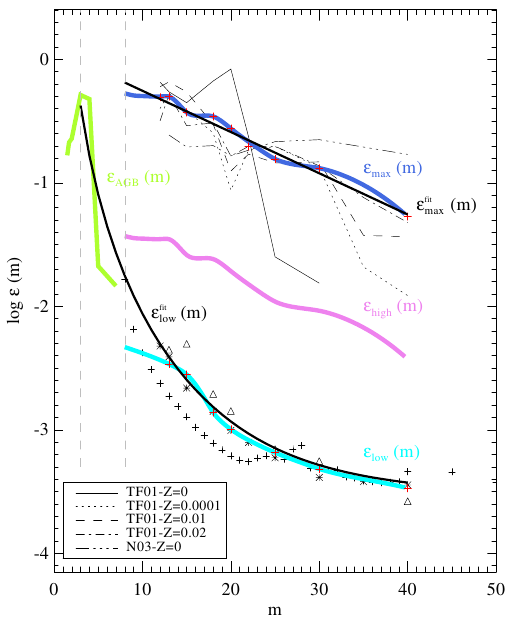
I just vacuumed my apartment and asked the question, ‘how does so much dust accumulate in one week?’ These authors ask a more scientifically interesting question: how can galaxies accumulate more than 100 million solar masses of dust in just a few hundred million years?
by Ian Czekala | Aug 4, 2011 | Daily Paper Summaries
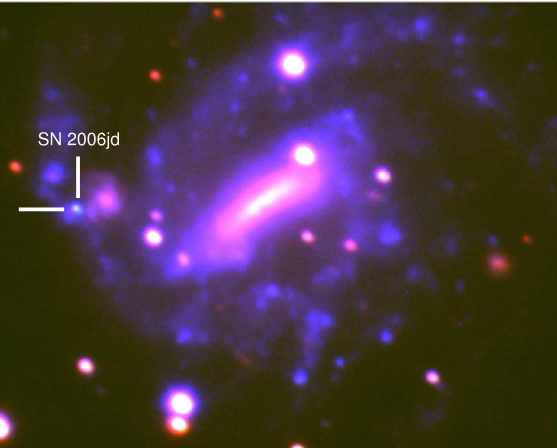
Many astronomers have an ambivalent relationship towards “dust” in our cosmos. Not quite like what you may find at the back of your cupboard, astrophysical dust is really more like smoke, with particulates roughly micron-sized and composed of carbon, nitrogen, oxygen, silicon, and other things that astronomers broadly term “metals.” Some of the best candidate sites for dust formation include cool stellar winds from evolved stars, and in the aftermath of supernovae and novae.
by Nathan Sanders | Jul 25, 2011 | Daily Paper Summaries
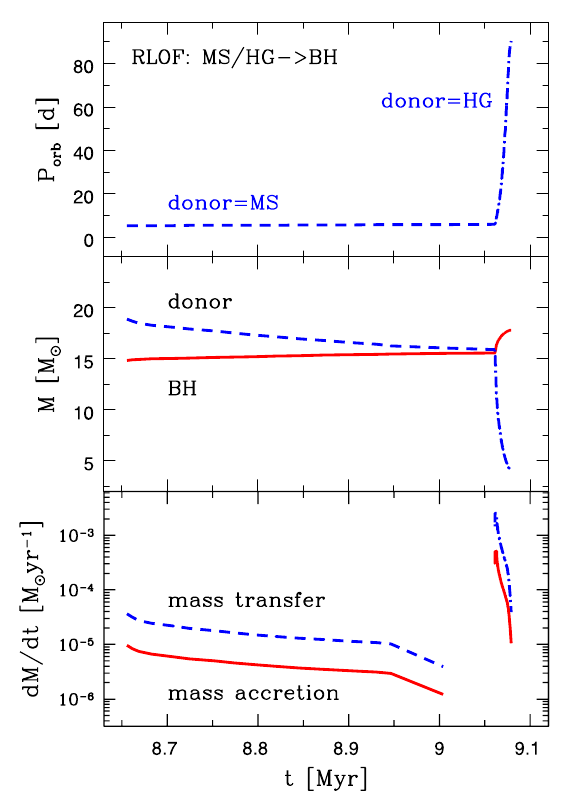
What will happen if Cygnus X-1 evolves to become a system of two massive, compact objects (and will we ever find out)?
by Elisabeth Newton | Jul 21, 2011 | Daily Paper Summaries
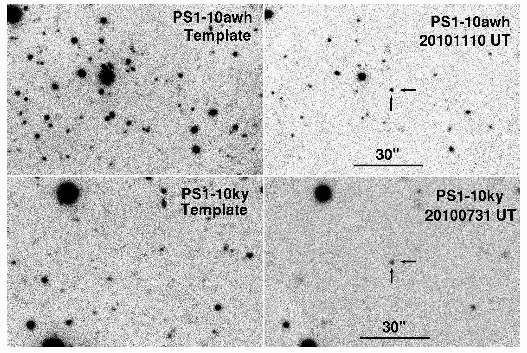
Starting in 2005 with SN 2005ap, astronomers began to detect new transients that are far more luminous than previously-known supernovae. With brightnesses ten times those seen in Type 1a’s, these new supernovae have been dubbed “ultraluminous supernovae.” This paper presents two new supernovae discovered by Pan-STARRS.
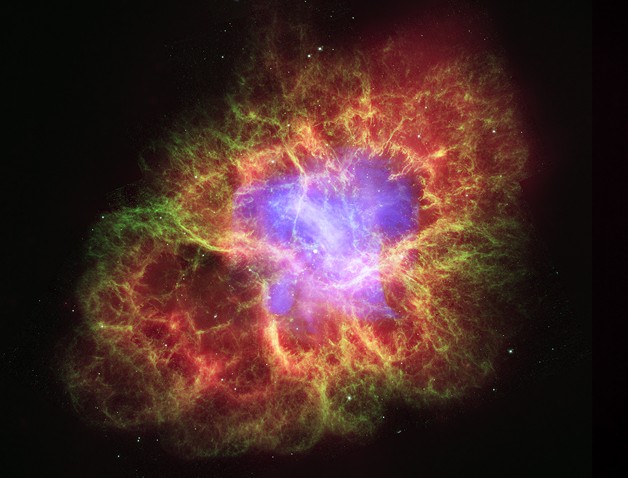
by Tanmoy Laskar | May 16, 2011 | Daily Paper Summaries
In the second astrobite in our Supernova Remnants Series, we check out a review article that describes the embedded gems of supernova remnants – pulsar wind nebulae.

by Dan Gifford | May 3, 2011 | Quick Notes
In astronomy everyone shares the same laboratory, the sky. Astronomers with Ph.Ds use giant telescopes to look at the same sky you can walk outside and look up to. Many amateur astronomers have taken advantage of just that….
