by Ian Czekala | Mar 27, 2011 | Daily Paper Summaries
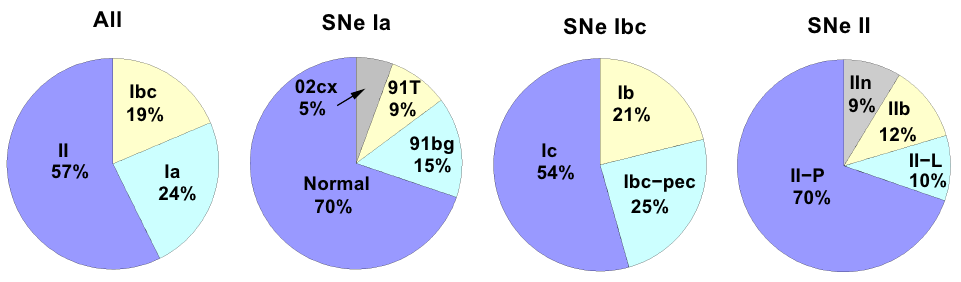
Supernovae, the extremely luminous explosions that are the catastrophic deaths of stars, are used directly and indirectly by astronomers of many disciplines. Cosmologists use type Ia supernovae as powerful “standard candles” to probe the farthest rungs of the cosmic distance ladder. Astrochemists studying the interstellar medium (ISM) track supernovae feedback of heavier elements that enrich the ISM. Astrophysicists working on star formation look for evidence of supernovae-induced collapse of molecular clouds. If supernovae are such ubiquitous tools, then it must be essential to understand the actual supernova (SN) mechanism itself.
by Tanmoy Laskar | Mar 17, 2011 | Daily Paper Summaries
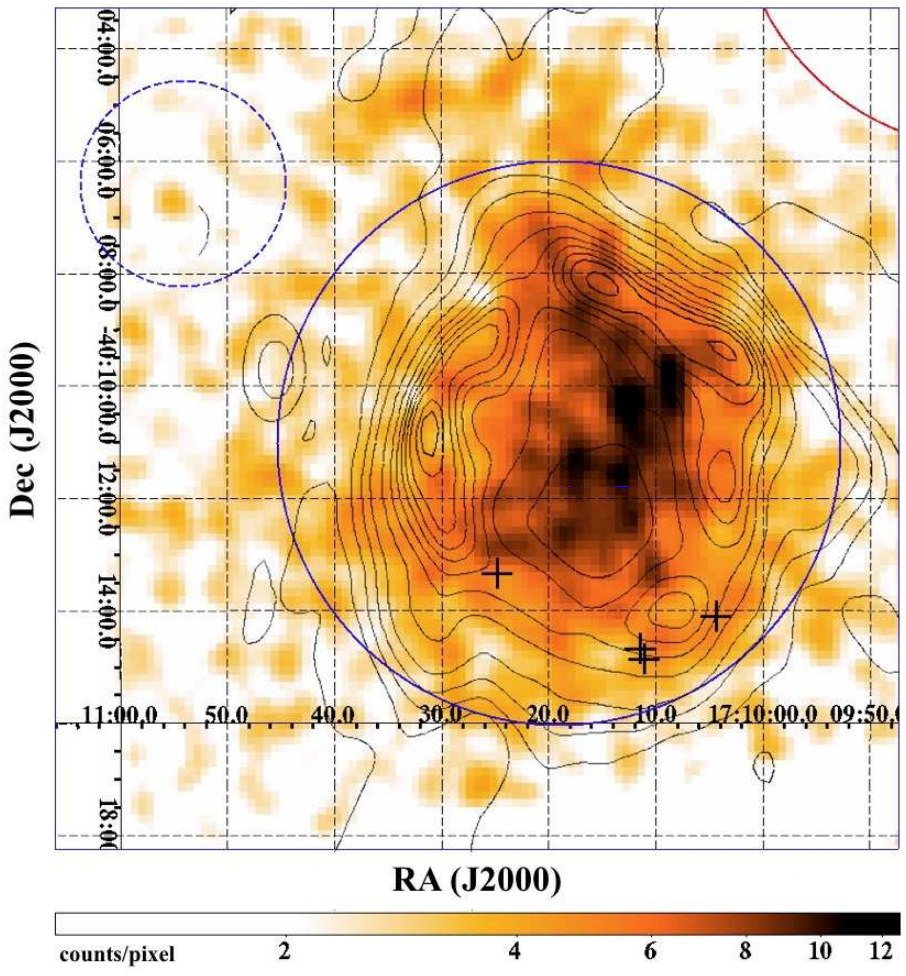
In this, the first in a series of astrobites on Supernova Remnants during various stages of evolution, we wonder at ejecta-dominated SNRs: what are they, how do they shine, and what can we learn by studying them?
by Dan Gifford | Mar 8, 2011 | Daily Paper Summaries
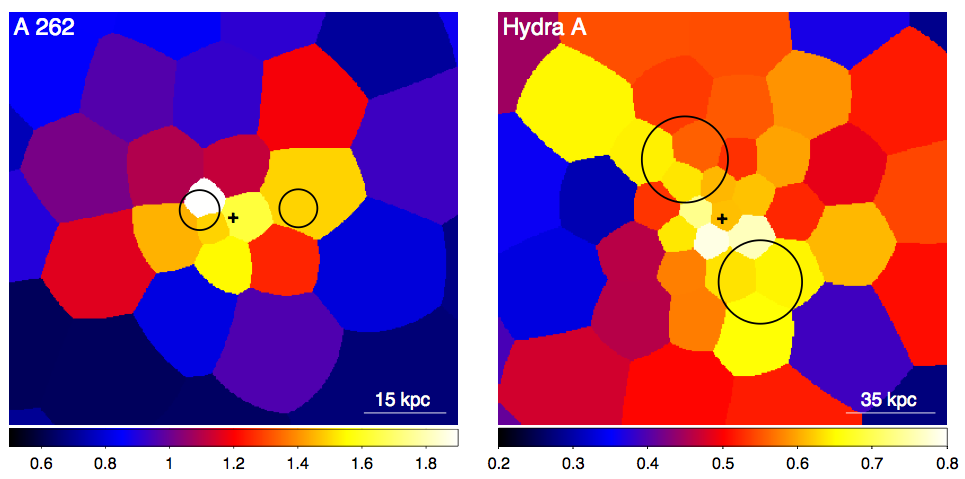
How do you enrich the ICM at great distances from the BCG? With an AGN!
by Nathan Sanders | Feb 16, 2011 | Daily Paper Summaries
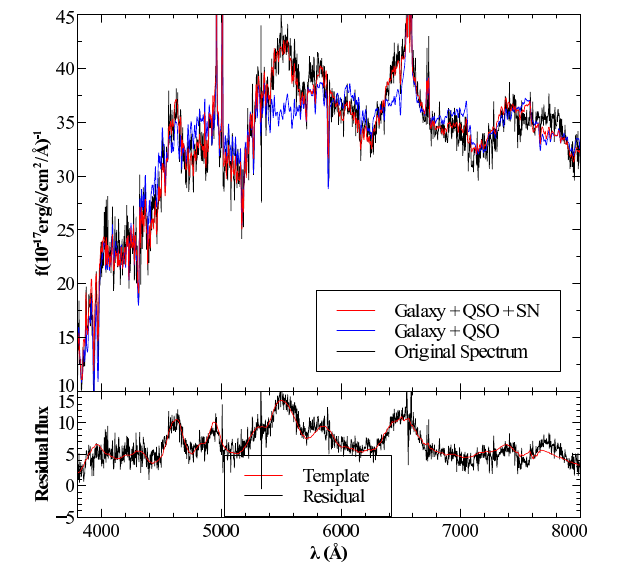
Each galaxy in the sky will probably produce just one or two supernovae in our lifetimes, so you have to be lucky to spot one. But if you happen to be observing hundreds of thousands of galaxies anyway, you’re bound to catch a few.
by Ian Czekala | Feb 11, 2011 | Daily Paper Summaries
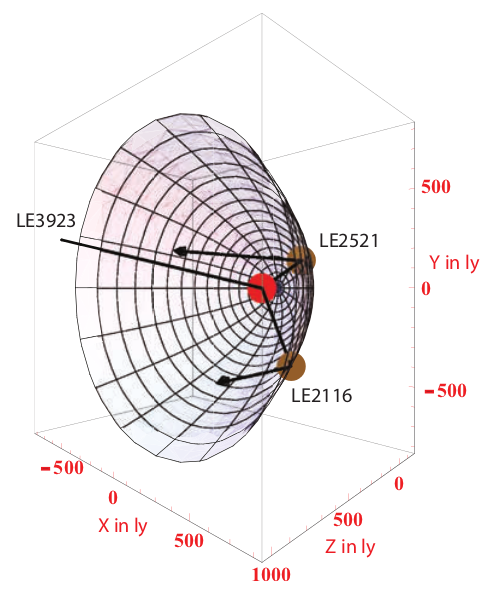
If you’ve ever given a speech or played sports inside of a cavernous gymnasium, you are well familiar with how sound can reflect off of the walls and cause an echo. Interestingly, this phenomenon also occurs on cosmic scale–not just with pressure waves like sound (or shocks), but with light.
by Nathan Sanders | Feb 1, 2011 | Daily Paper Summaries
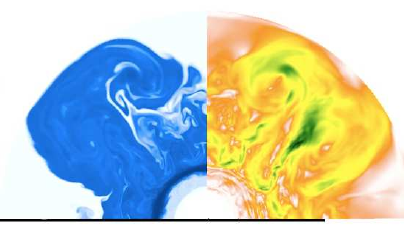
Supernovae are vitally important in the chemical and dynamical evolution of galaxies, but we don’t yet fully understand the physics that produce these explosions. This new work simulates the turbulent instabilities in a star at the brink of core-collapse.
