A Summer Schooling
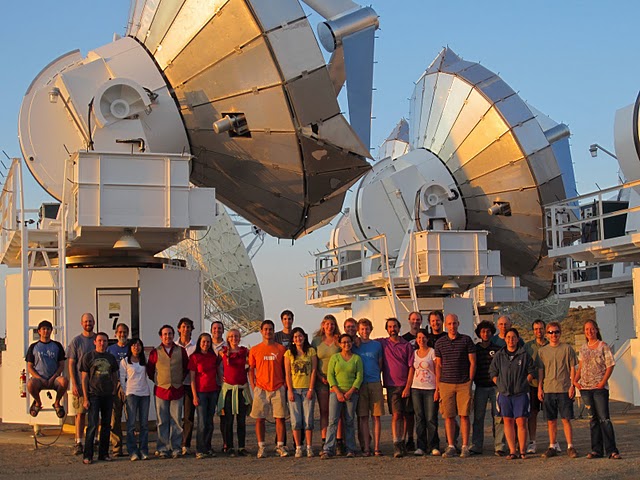
I went back to school this summer – at 7,000 feet with scorpions and Fourier Transforms.

I went back to school this summer – at 7,000 feet with scorpions and Fourier Transforms.
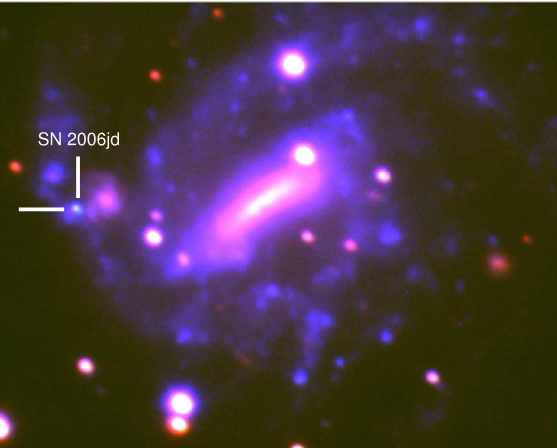
Many astronomers have an ambivalent relationship towards “dust” in our cosmos. Not quite like what you may find at the back of your cupboard, astrophysical dust is really more like smoke, with particulates roughly micron-sized and composed of carbon, nitrogen, oxygen, silicon, and other things that astronomers broadly term “metals.” Some of the best candidate sites for dust formation include cool stellar winds from evolved stars, and in the aftermath of supernovae and novae.
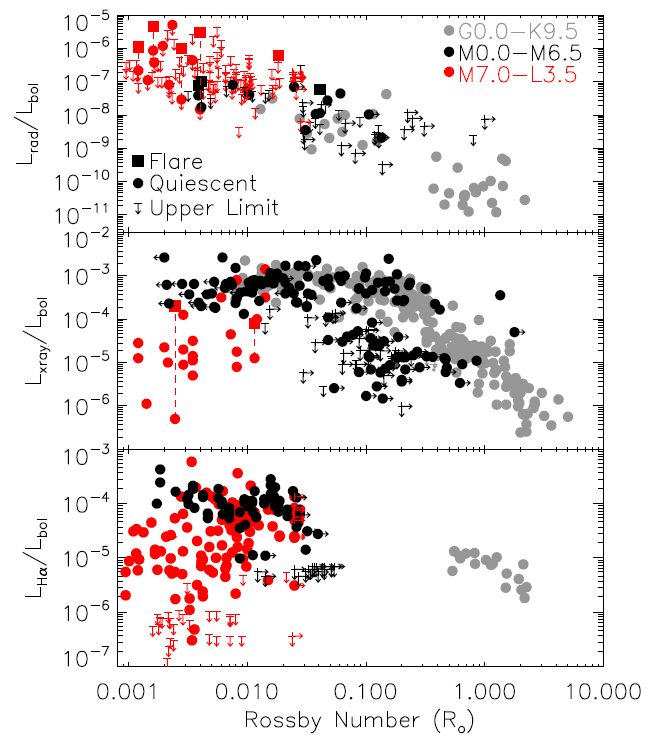
McLean et al. observe a new sample of late-M and L dwarfs with the Very large Array to search for a relation between rotation rate and radio activity for ultracool dwarfs.
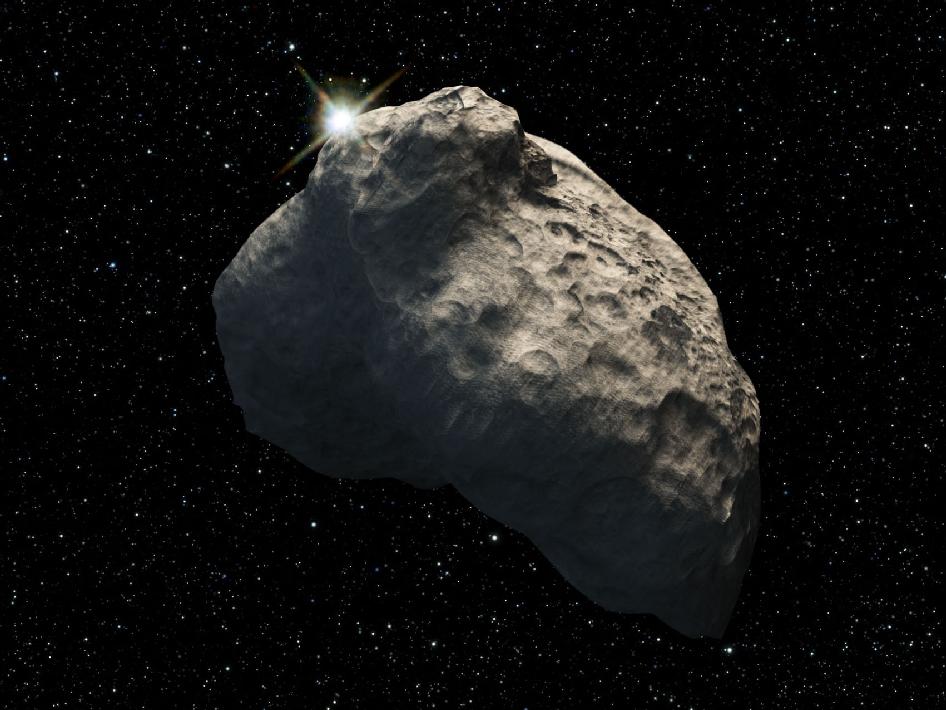
A paper published on the archive this week reveals fourteen newly discovered Kuiper Belt Objects (KBOs) found using ground-based imaging in the Southern part of the sky. Three of these could be big enough to be dwarf planets! By learning about the population, orbital structures, and compositions of the largest objects in the Kuiper Belt, we can learn about the solar system formation and evolution.
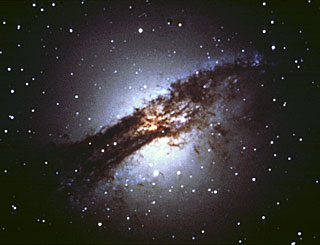
With the help of citizen science through Galaxy Zoo, this paper’s authors collect a large sample of dusty elliptical galaxies, which allows them to investigate the connection between gas-rich mergers, starbursts, and AGN activity.