by Natasha Batalha | Feb 18, 2015 | Daily Paper Summaries
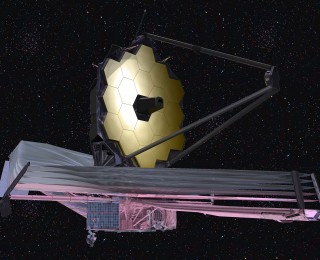
In just three years NASA’s James Webb Space Telescope will leave Earth and start producing groundbreaking science! That means we have three years to figure out how to best utilize the instruments on board. It’s time for a crash course in exoplanet observations with JWST.
by Caroline Huang | Feb 17, 2015 | Daily Paper Summaries
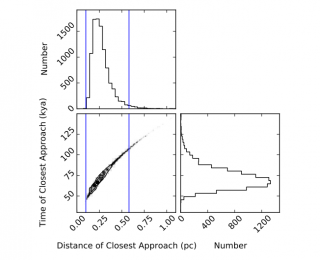
70,000 years ago, a binary star passed through the outskirts of the Oort Cloud–was it the closest known stellar encounter?
by Ashley Villar | Feb 10, 2015 | Daily Paper Summaries
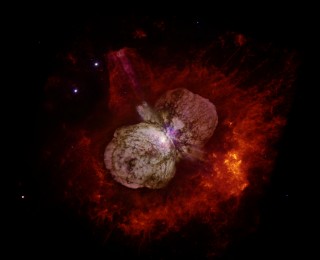
SN1997bs has been labelled an impostor for years, but could it be the real deal?
by Tim Lichtenberg | Feb 6, 2015 | Daily Paper Summaries
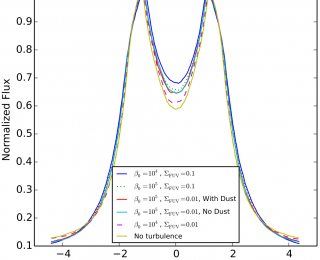
Why do planetary disks fade away so fast? A leading candidate as villain in this story is turbulence. Using the combined strengths of sophisticated theoretical models and observations, we might be able to find out if this is true!
by Michael Küffmeier | Feb 3, 2015 | Daily Paper Summaries
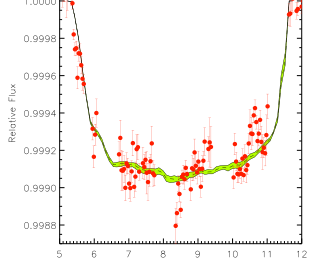
Most exoplanets are and have been detected by the transit method. Maybe, we can improve the method even further by drawing conclusions from the recent Venus transits in 2004 and 2012.
by Anson Lam | Feb 2, 2015 | Daily Paper Summaries
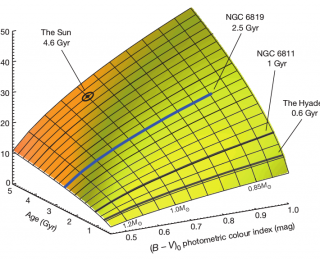
Spinning stars offer a useful way of determining the ages of star clusters
