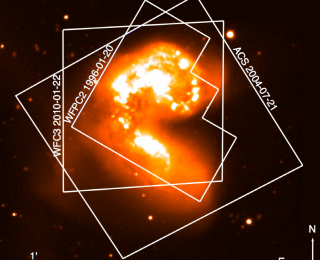
Gone Without a Bang
Failed supernovae result in massive stars disappearing into the night sky without a trace. Although many stars may meet this fat, we’re just beginning to look for them!

Failed supernovae result in massive stars disappearing into the night sky without a trace. Although many stars may meet this fat, we’re just beginning to look for them!
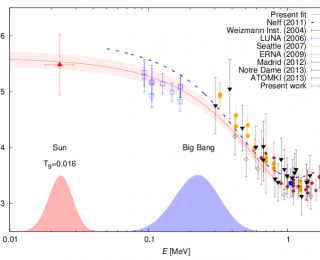
Solar neutrinos constrain the origin of the elements in the Big Bang.
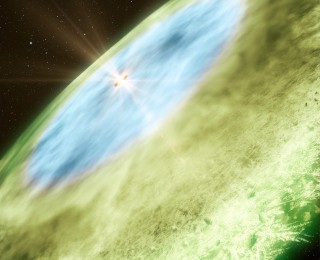
How and where did the first organic molecules emerge? Sophisticated chemistry models for the synthesis of amino acids within planetesimals can help us to decipher these mysteries.
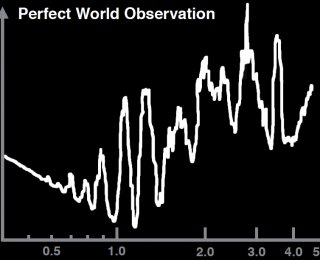
We hear a lot about exoplanet observations and the results from atmospheric modeling. But what is the magic that happens in between?? Here we take a look at the exciting bridge between exoplanet observations and atmospheric modeling.
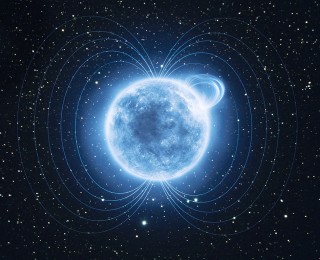
The origin of ulta-long-lasting gamma-ray bursts has been puzzling. Astronomers now suggest that they occur as an outcome of a supernova interacting with its corresponding magnetar.
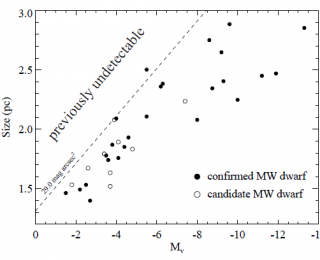
Dwarf galaxies are getting the limelight nowadays due to their high dark matter content. However, current search method only picks up bright dwarfs in certain region of the sky, potentially missing a large number of faint dwarfs in other parts of the sky. Maybe we should start searching in a different way?