by Michael Küffmeier | Sep 9, 2015 | Daily Paper Summaries
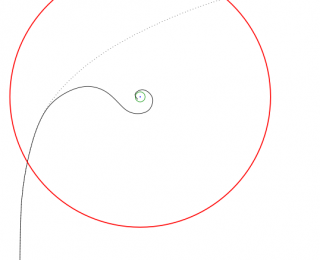
A model that needs fewest parameters to explain a scenario is favourable. The fact that mm-size dust grains (chondrules) are present in the entire solar system brings rise to the question, whether all bigger solid objects are a collection of chondrules.
by Jesse Feddersen | Aug 19, 2015 | Daily Paper Summaries
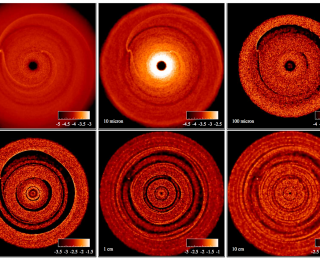
Last year, an image was released that took our breath away. Exquisite rings carved in a disk of material around a nearby star. Now, astronomers want to know if forming planets are responsible, and why the image might look different from the cartoon in your textbook.
by Tim Lichtenberg | Aug 18, 2015 | Daily Paper Summaries
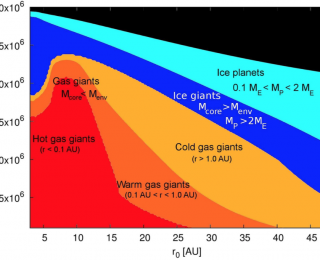
Planets are ubiquitous in the Milky Way. Therefore, building them must be straightforward, right? Not at all!
by Michael Küffmeier | Aug 12, 2015 | Daily Paper Summaries
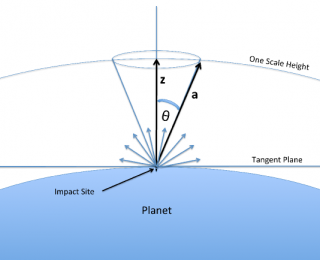
Earth’s atmosphere is about 100 times less massive than Venus’ atmosphere. This gave rise to the idea that Earth had a more massive atmosphere, which got then depleted by impacts. This Astrobite discusses what would have been the optimal impactor size.
by Tim Lichtenberg | Jul 24, 2015 | Daily Paper Summaries
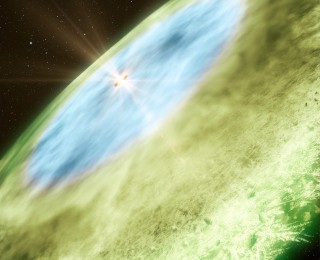
How and where did the first organic molecules emerge? Sophisticated chemistry models for the synthesis of amino acids within planetesimals can help us to decipher these mysteries.
by Stacy Kim | Jul 2, 2015 | Daily Paper Summaries
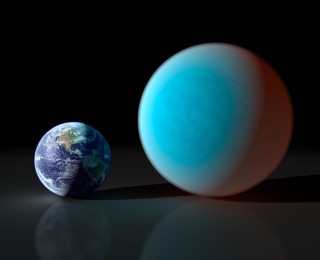
Why do some planets slightly more massive than Earth have gas envelopes, while others don’t?
